A voluntary statement
Fifteen commitments in seven parts, for the people who hold this medicine. Anyone who agrees with them is free to adopt them, name them and be held to them.
What this is
These are commitments the Foundation asks of itself and proposes to the wider field. They are voluntary. Nobody is licensed here, nobody can be struck off, and a statement like this is worth only what the people who sign it are worth.
Practitioners who agree with them are welcome to adopt them, to say publicly that they work to them, and to cite them by name.
It is a draft, and we expect it to change. We want to hear from practitioners, and from people who have sat in ceremony and have something to say about what happened to them. Both make this better.
The commitments
Ourselves
Self-Work.We work on ourselves for as long as we do this work, and we seek counsel from other practitioners.
Competence.We offer only what our experience and training have prepared us for, and we say plainly where that ends.
Integrity
Ego Inflation.Master, healer, curandero and shaman are titles other people may confer; we take none of them for ourselves. We credit the people we learned from, and we do not present ourselves as coming from a tradition we did not come from.
Cultural Respect.We avoid cultural appropriation and only adopt elements of traditions we have permission to adopt, in a way that is fair and honest.
Before
Consent.We say what we are offering and what it costs in advance, and consent is given in an ordinary state of mind.
Screening.We ask about health and medication, and we are willing to turn somebody away.
The Ceremony
Safety.The ceremony is prepared, nobody is unaccounted for, and if somebody needs help we get it.
Dosing.We know what we are serving, and we can say how we arrived at each amount.
Suggestibility.The medicine opens people to suggestion, and we do not use that. We keep our beliefs, our interpretations and our own needs out of their experience, and what it meant is theirs to say.
Afterwards
Aftercare.We speak to each person before they leave, we stay reachable afterwards, and where somebody needs more than we can give we help them find it.
Solicitation.We give people time to integrate before we ask them for anything, whether money, a booking, a testimonial or a referral. Somebody still in the medicine is not asked.
Trust
Confidentiality.Who was there and what happened to them stays with us, and only they decide who else hears it.
Boundaries.We ask before we touch anybody. There is no sexual contact with anybody we sit for, before, during or for at least two years after, and even then it is on us to show it is not exploitation.
Accountability.We say at the outset where a concern about us can be taken, and nobody is worse off for raising one.
The Plant
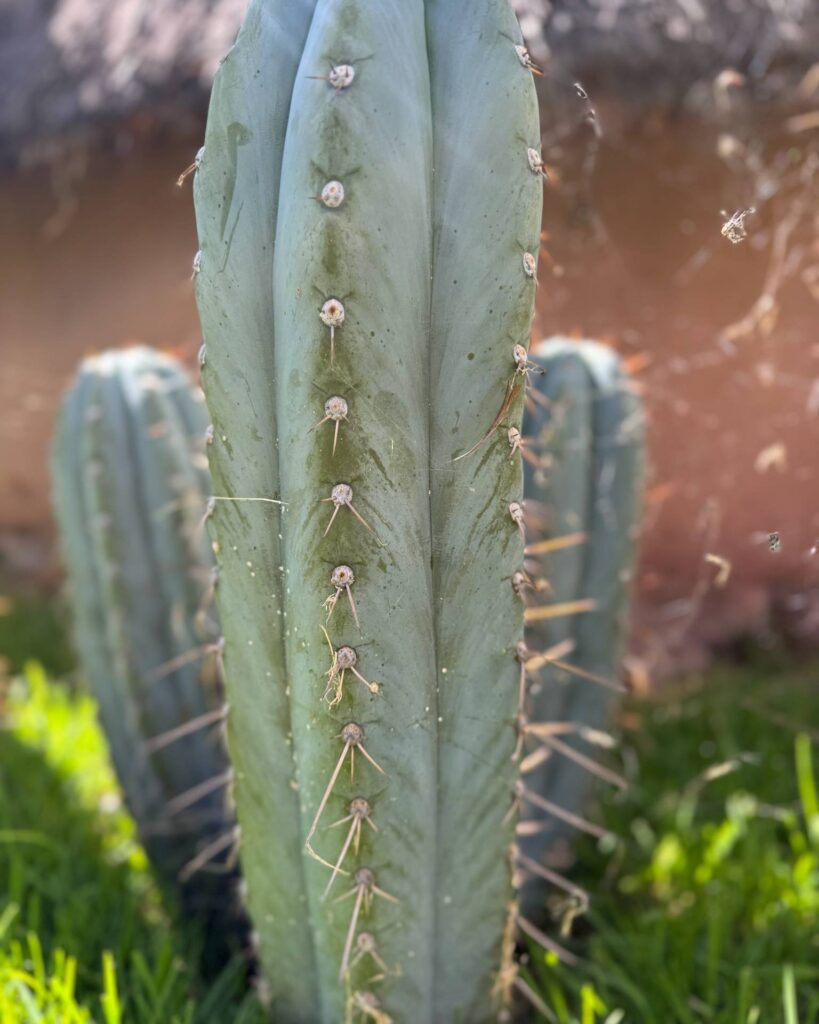
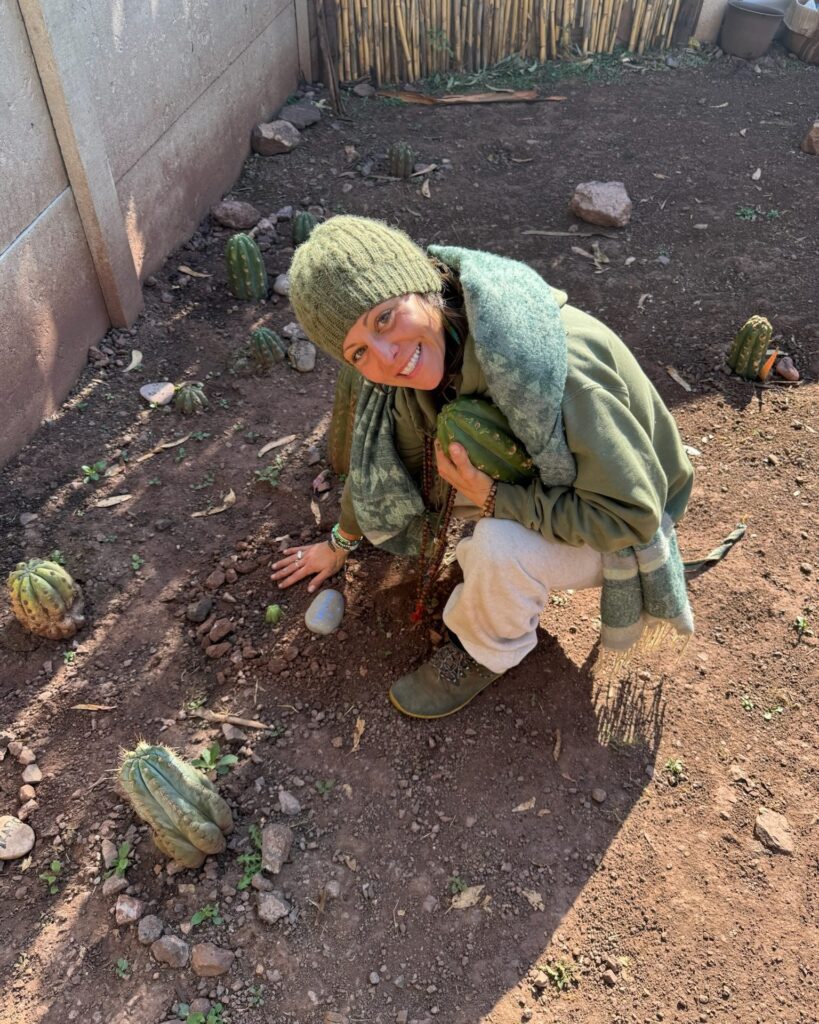
The Plant.We know where our medicine came from, and we plant more than we use.
Going further
This is not the first statement of its kind. Several organizations in the wider psychedelic field have published codes of ethics, and we wrote ours with theirs in view. Anybody drawing up their own should read more than one, and should take from them what fits the work they actually do.
One thing is missing from every code we read. Not one of them says anything about where the medicine came from. The Plant is ours, and so is Solicitation.
We would rather point people to something we have read than publish a reading list we cannot stand behind. Ask us what we have found useful and we will tell you. We teach this material in Huachuma Wisdom, where facilitator ethics are a month of the program, and some of what is taught there comes from Alexandre Tannous, who writes about sound rather than about this medicine.